

Every significant decision in history is rooted in intention, and every intention is shaped by context, conviction, and purpose. Within the sacred history of our Church, the actions and decisions of spiritual leaders are not mere administrative steps, they are deeply connected to divine direction, legacy preservation, and the continuity of a spiritual mandate.
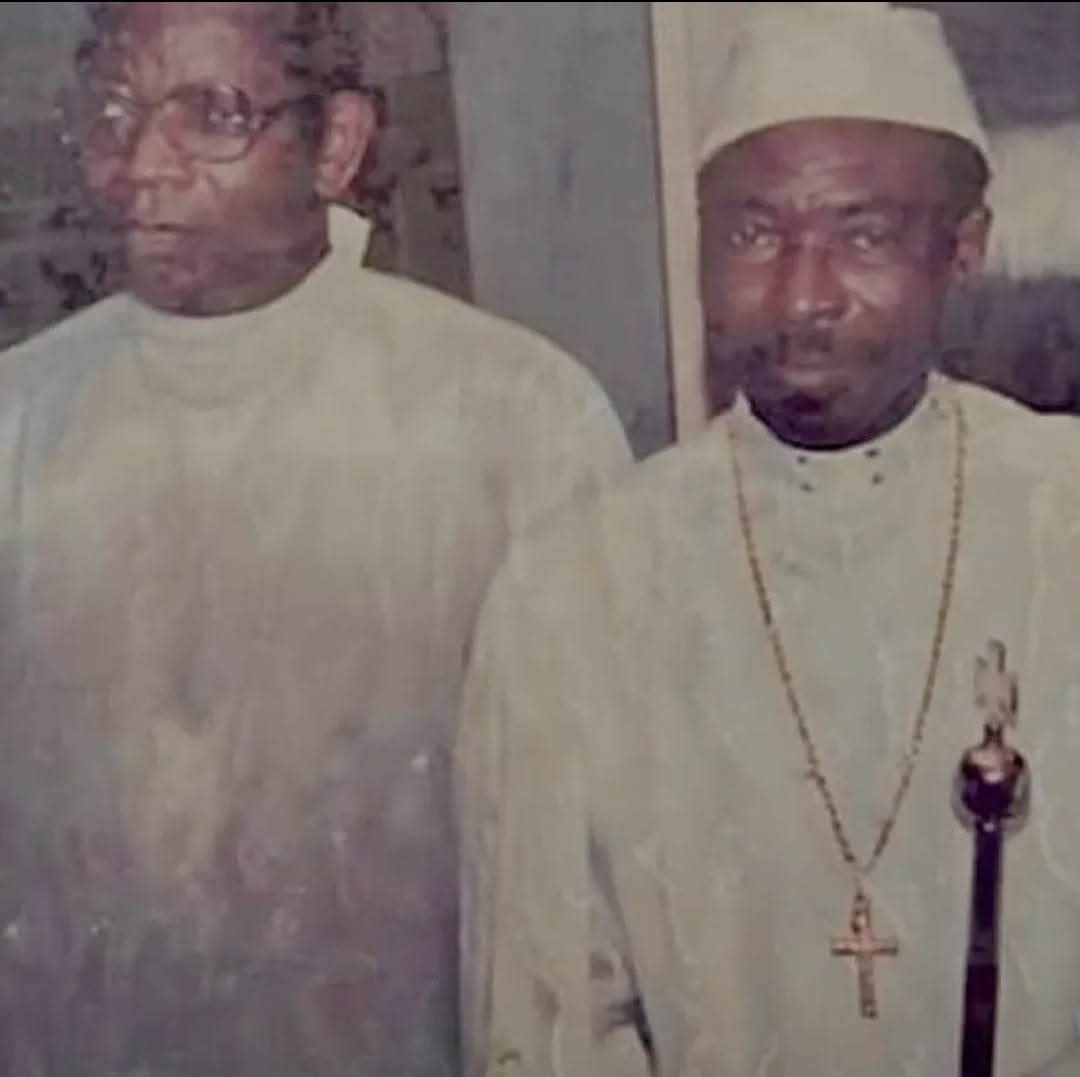
The expansion of Celestial Church of Christ into the Western world remains one of the most defining chapters in the Church’s history. This movement was not accidental; it was driven by men of faith who believed strongly in the evangelical vision of the Church’s founder, Rev. Pastor Samuel Bilehou Joseph Oshoffa. Among such pioneers was Baba Ranti Olorunnisola, a man whose conviction for evangelism led to the establishment of the Church in Paris in 1977.
With humble beginnings, worship services commenced in his private residence. His passion soon connected him with like-minded believers, including Prophet Adesanya of CCC Elephant and Castle Parish in London, (the present shepherd of CCC Christ Castle Parish, Yaba, Lagos State) who later joined him in Paris to strengthen the mission. Their efforts were further expanded with the inclusion of Sobowale’s son, whom they diligently sought out to join the growing fold.
These early sacrifices laid the foundation for what would become a stronghold of CCC in France. From a modest home fellowship, the Church gradually transitioned into a rented space, symbolizing growth, resilience, and divine approval.
However, a pivotal moment came with the visitation of Rev. Alexander Abiodun Bada. His mission was not merely administrative, it was deeply symbolic and strategic. He proposed the appointment of Rev. Emmanuel Mobiyina Oshoffa as the Head of the Church in France. Rev. Bada’s words during that historic meeting revealed the sincerity of his intention:
“I sincerely appreciate your efforts in establishing this Church in France. We all know the value and impact of Papa Oshoffa in our lives. I do not want his name to fade as long as CCC exists. Therefore, I seek your understanding and support in making Emmanuel Oshoffa the Head of France.”
This statement was not driven by favoritism or personal bias, as some may later speculate it was a deliberate effort to preserve the spiritual identity and legacy of the Church. Rev. Bada understood that continuity, especially in a foreign land, required a visible and symbolic connection to the founder’s lineage.
After extensive deliberations, Baba Ranti Olorunnisola and Sobowale accepted the proposal in unity and faith. At the time, Emmanuel Oshoffa served as a SENIOR EVANGELIST, while the others remained Evangelists. This marked the beginning of a new administrative structure in France, built on cooperation and shared vision.
For years, the Church in France thrived under this arrangement. However, as history has often shown, unity can be tested by ambition and differing perspectives.
Following the eventual ascension of S/E Emmanuel Oshoffa as Pastor after the year 2000, internal disagreements began to surface. Sobowale, one of the early pioneers, expressed dissatisfaction and aspired to lead the Church in France. This disagreement escalated, drawing the attention of key members of the Board of Trustees, including respected elders like Baba Banjo and the late Baba Adefeso.
Despite efforts at mediation, the crisis remained unresolved. The situation eventually led to a division, with Sobowale declaring himself as Pastor and establishing a separate structure in France. This development, while unfortunate, does not diminish the original intention of Rev. Pastor A.A. Bada. His decision was rooted in unity, legacy preservation, and the desire to ensure that the name and spiritual authority of the founder remained central to the Church’s global identity.
The genuine intention of Rev. Pastor A.A. Bada must be understood within the broader context of leadership responsibility and spiritual continuity. His actions were not about control, but about safeguarding a legacy that transcends individuals.
History may record the conflicts that followed, but it must also honor the sincerity of purpose that guided the decisions at the time. As members and observers of Celestial Church of Christ, there is a need to reflect deeply on these events not to rekindle division, but to draw lessons on unity, humility, and the importance of preserving the core values of the Church. For in every generation, the true test of leadership is not just in building, but in sustaining harmony within what has been built.