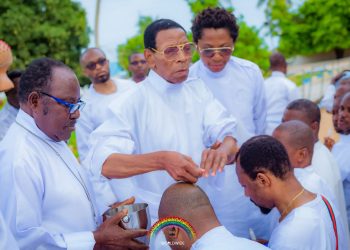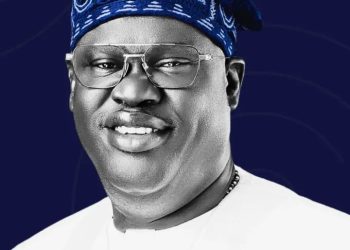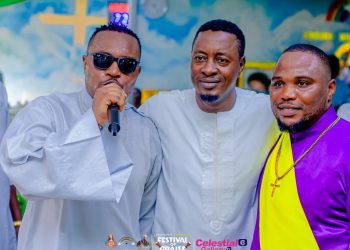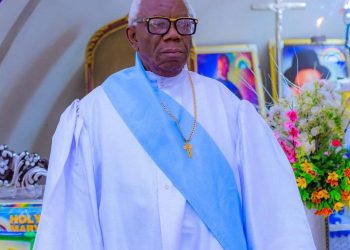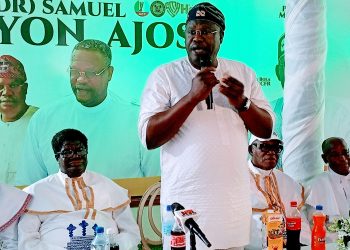


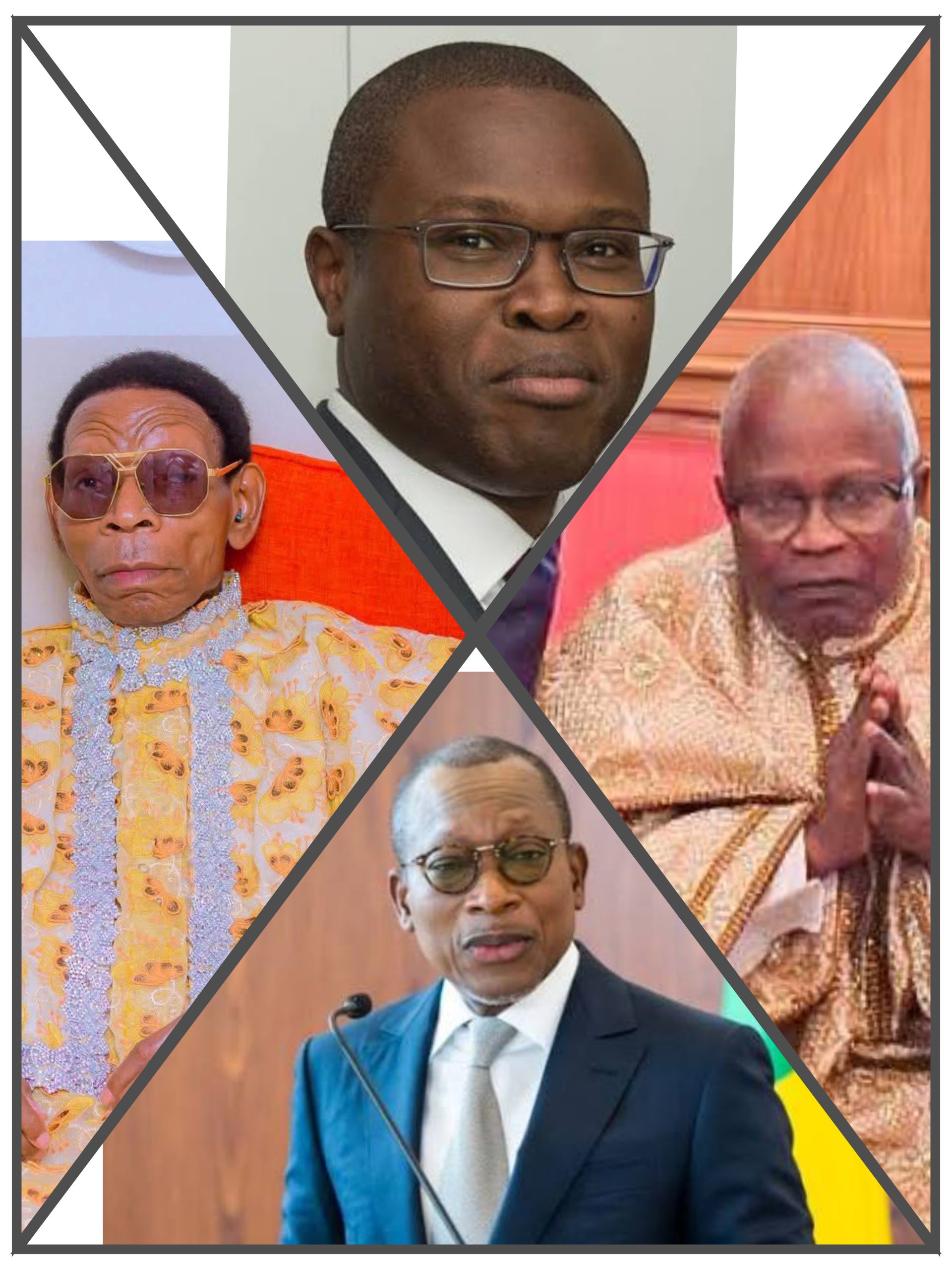
It is unarguable that our Church traces its origin to the Republic of Benin, where the Pastor Founder, Rev Prophet Samuel Bilehou Joseph Oshoffa received the divine mandate in 1947 through the power of the Holy Spirit. From this humble beginning, the Church grew rapidly, finding strong acceptance in Nigeria, which later became the major hub for its expansion to the Western world and a key pillar of its continuity.
However, the period following the demise of the Founder ushered in a turbulent era. Factionalization overshadowed unity, leading to internal crises, prolonged court cases, leadership disputes, and, in some instances, deviations from established doctrinal practices. These challenges have continued to define the struggle for identity and direction within the Church.
In an attempt to address this long-standing division, the President of Benin Republic, Patrice Talon initiated a unification process. This effort brought together notable Church leaders such as Rev. Pastor EMF Oshoffa, Rev. Pastor Adeogun, and AMSE Arck, with the aim of restoring the Church into one fold and rekindling its founding vision.
A Supreme Transitional Council was subsequently established, comprising delegates from Nigeria, Benin, and Ivory Coast, with the goal of agreeing on a unified Memorandum of Understanding. However, the process has faced serious setbacks. The Nigerian delegates tendered their resignation, which the Council rejected, insisting that such authority rests solely with its Chairman, President Talon. Despite this, the Council has continued to function without Nigerian participation—raising concerns about inclusiveness and legitimacy.
Debates surrounding the true motive behind this unification effort remain intense. Some believe that President Talon’s involvement is largely driven by economic considerations, particularly the significant influx of worshippers to Imeko, Ogun State. Others argue that the Church should administratively and spiritually return to its country of origin. Meanwhile, many faithful insist that the burial site of the Founder remains the spiritual stronghold of the Church.
The situation has also been clouded by reports of fear and intimidation, which were widely believed to have influenced the rescheduling of the Agoguge event to Imeko in March 2026, instead of its originally planned venue in Benin Republic. Now, with the emergence of Romuald Wadagni as the newly elected President of Benin Republic, an ally and associate of President Talon—the critical question arises:
Will he continue this unification agenda?
On one hand, Wadagni’s close relationship with Talon suggests a possibility of continuity. As a former Finance Minister under Talon’s administration, he is likely familiar with both the political and economic implications of the CCC unification process. This could mean sustained support for the initiative, especially if it aligns with broader national interests.
On the other hand, every new administration seeks to define its own identity and priorities. Wadagni may choose to adopt a different approach either by modifying the strategy, reducing direct political involvement, or allowing the Church to resolve its internal matters independently.
The future of the unification agenda will depend on several factors:
The willingness of Church leaders across factions to genuinely embrace unity
The level of trust between stakeholders in Nigeria, Benin, and beyond
The extent to which political authorities choose to remain involved and most importantly, adherence to the spiritual foundation upon which the Church was built.
While political transitions often bring uncertainty, the true resolution of the Church crisis cannot rest solely on government intervention. Whether Romuald Wadagni continues or alters the path laid by Patrice Talon, the ultimate responsibility lies with the Church itself. Unity cannot be imposed, it must be embraced. The Church now stands at a defining moment, where history, faith, and leadership must align to determine its future.