

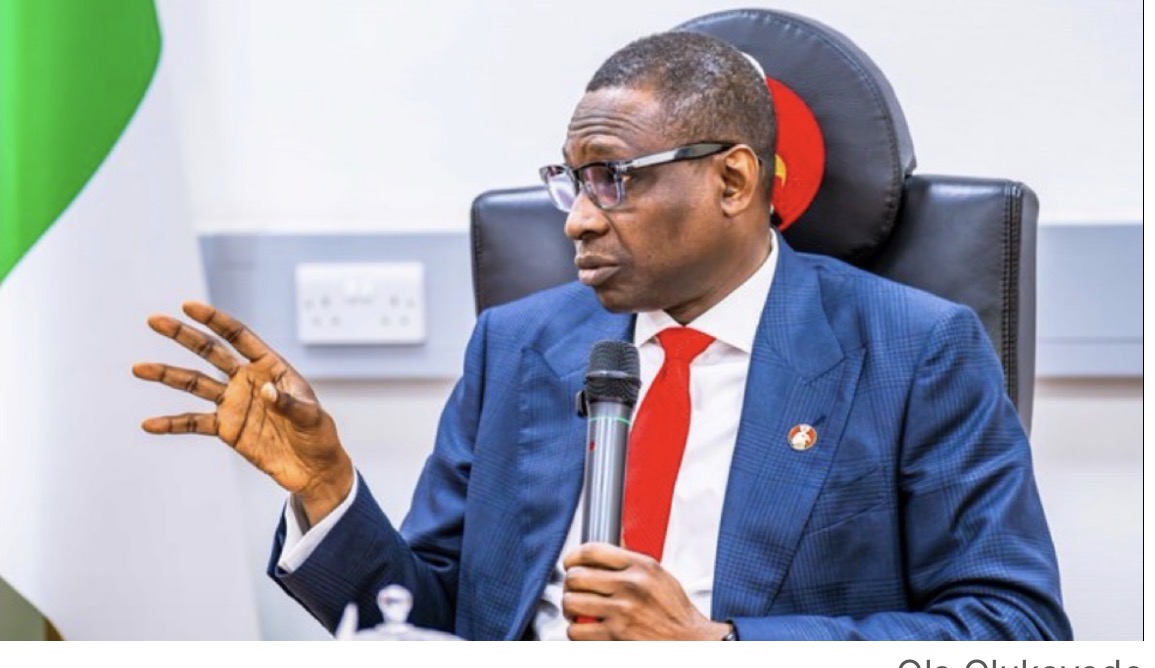
The Chairman of the Economic and Financial Crimes Commission (EFCC), Mr. Ola Olukoyede, has urged pastors, imams and other religious leaders to be cautious about accepting unusually large donations from members without making reasonable enquiries about the sources of such funds.
Olukoyede gave the warning on Wednesday, 23rd September 2026, during the second 2026 Council Meeting of the Nigeria Inter-Religious Council (NIREC) in Abuja, where the EFCC’s Anti-Corruption Interfaith Manual was also presented. He stressed that religious institutions should not become places where unexplained wealth is celebrated or given moral legitimacy.
According to the EFCC Chairman, some individuals involved in financial crimes may donate substantial sums to religious organisations, even when their known sources of income do not appear to justify such wealth. He therefore challenged religious leaders to ask questions when confronted with unusually large donations, rather than simply accepting and publicly celebrating the money.
Mr Olukoyede cited an example of a ₦550 million donation, warning that accepting such money without asking questions about its source could amount to giving moral cover to proceeds of crime. His comments were directed at the broader responsibility of religious institutions to promote integrity and discourage the celebration of wealth whose origins cannot be properly explained.
The EFCC boss also warned religious leaders against mixing money belonging to their churches, mosques or other faith-based organisations with their personal funds or private businesses. He specifically mentioned tithes, offerings, zakat and other contributions, stressing that such funds are entrusted to religious organisations and should be kept separate from personal finances.
He further stated that religious leaders who operate legitimate private businesses are free to do so, but such businesses must not be financed with funds belonging to their religious organisations. He called for proper financial controls and compliance systems within religious institutions to ensure transparency and accountability.
He also disclosed that pastors, imams, bishops and other religious figures have appeared in EFCC financial-crime investigations, with some having been prosecuted and convicted. He stressed that religious titles should not shield anyone from accountability when financial crimes are involved.
The EFCC Chairman therefore called on religious leaders to become examples of integrity and to use their influence to discourage corruption, internet fraud, misappropriation and other forms of financial crime. He maintained that the fight against corruption requires not only law-enforcement agencies but also religious institutions that can influence the values and conduct of their followers.