

One of the challenges facing the evolution of our Church is the inability to sustain the original doctrinal practices. Throughout the years, various shepherds have attempted to influence these practices based on their own interpretations which work against God’s instructions.
Within the Church, each section has specific arrangements for services. The Pastor Founder, Rev. SBJ Oshoffa emphasized that he never implemented any practices based on his own interests, while he insisted that it’s mandatory for shepherds to follow the provisions of the church’s basic ordinances in the discharge of their duties.
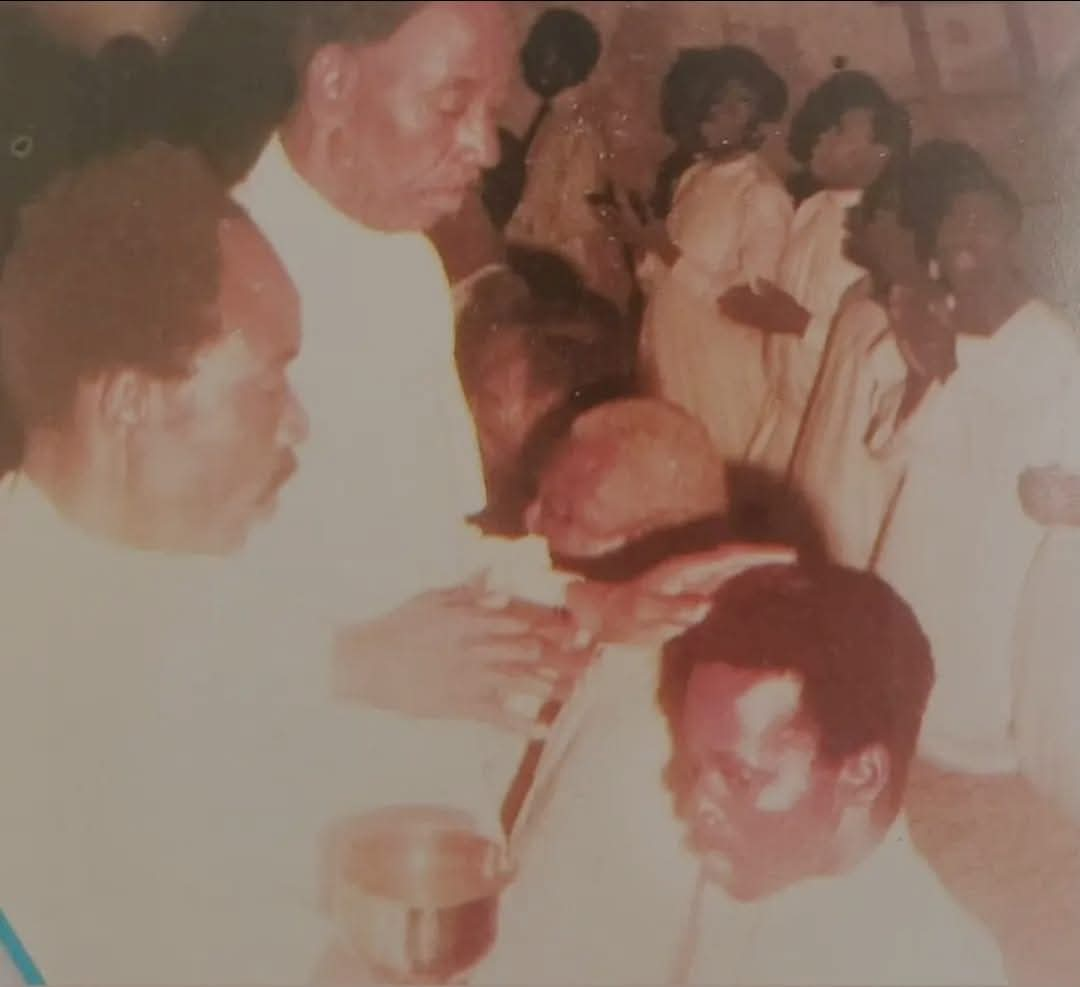
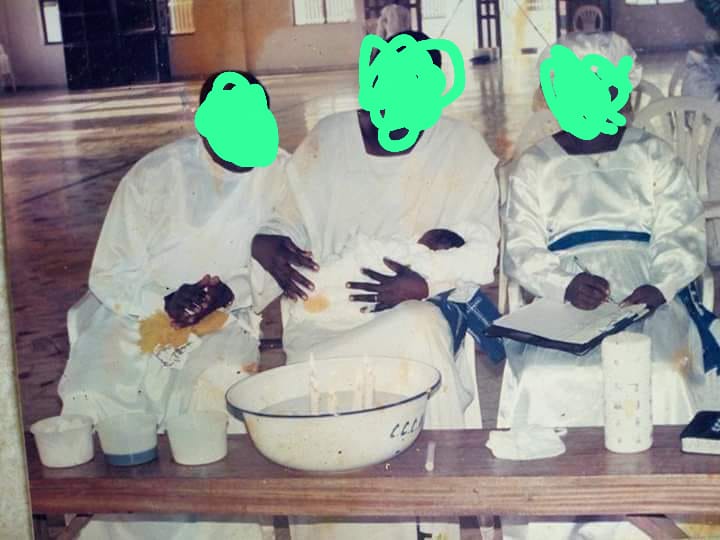
One unique service in the Church is the NAMING CEREMONY SERVICE. This service is characterized by specific principles and arrangements, including the presence of seven different fruits, honey, water in a bowl with seven candles, and sugar. A particular hymn is sung during the procession of the service, and there are other rules that must be strictly followed.
In the early stages of the church, it was customary for the father of a newborn to sit closely beside the Prophet/Prophetesses, receiving spiritual messages and guidance for the child’s journey. The writer would document these messages, while the father would carefully consider their value for implementation of the message.
However, a shift in the system has occurred, with shepherds no longer allowing fathers to sit closely with the Prophet/Prophetesses during naming ceremonies. This change has resulted in a significant setback, as fathers are now unable to gain insight into the journey of their children, and some messages are not being properly documented.
It is imperative that the Church authority promptly revert to the original doctrinal practice, as this alteration has hindered the spiritual growth and significance of naming ceremonies. By reinstating the previous practice, the church can ensure that fathers are once again able to play a vital role in guiding and supporting their children’s spiritual journey.
It is important to uphold the traditions and practices of the Church, as they are integral to its identity and purpose. By respecting and adhering to these doctrines, we can ensure the continued growth and success of the Church.